UK creative arts therapies
JGYAMFI
LIMITED
Creative arts therapies with clear clinical purpose.
We provide structured therapeutic work using visual art, music and movement. Sessions are planned around an agreed goal, delivered within professional boundaries and reviewed with you over time.
No artistic experience is required
The artwork is a therapeutic tool, not a test of ability.

Structured care
Agreed goals
UKHealth and wellbeing
service provider
Professional boundariesClear scope and consent
Planned sessionsGoals agreed in advance
Regular reviewsProgress and fit discussed
What we do
Therapy that uses the arts
as its working medium.
Creative arts therapies combine a therapeutic relationship with art-making, music or movement.
We use practical creative activities to support agreed aims such as recognising stress patterns, developing emotional regulation, improving communication or adjusting to change. The work may include discussion, but it is not an art lesson and the quality of the finished work is not assessed.
UK professional context. Art Therapist, Art Psychotherapist and Music Therapist are protected titles. Where a protected title is used, the practitioner must hold the relevant UK registration. We confirm the practitioner, scope and professional arrangements before work begins.
A CLEAR THERAPY PATHWAY
- 01
Initial assessmentPresenting needs, history, risk and suitability
- 02
Therapy planGoals, modality, frequency and boundaries
- 03
Therapeutic sessionsFacilitated creative work and reflection
- 04
Review and completionProgress, outcomes and an agreed ending
Our therapies
Three therapeutic media.
One structured approach.
The most suitable modality depends on your therapy goals, access needs and the qualifications of the allocated practitioner.
01 / VISUAL ART
Art Therapy
Uses drawing, paint, collage, clay and other materials within a therapeutic relationship. It can support people to examine experiences, identify patterns and develop ways of managing emotions.
- Stress and anxiety management
- Adjustment and life changes
- Emotional awareness
Ask about suitability
02 / MUSIC
Music Therapy
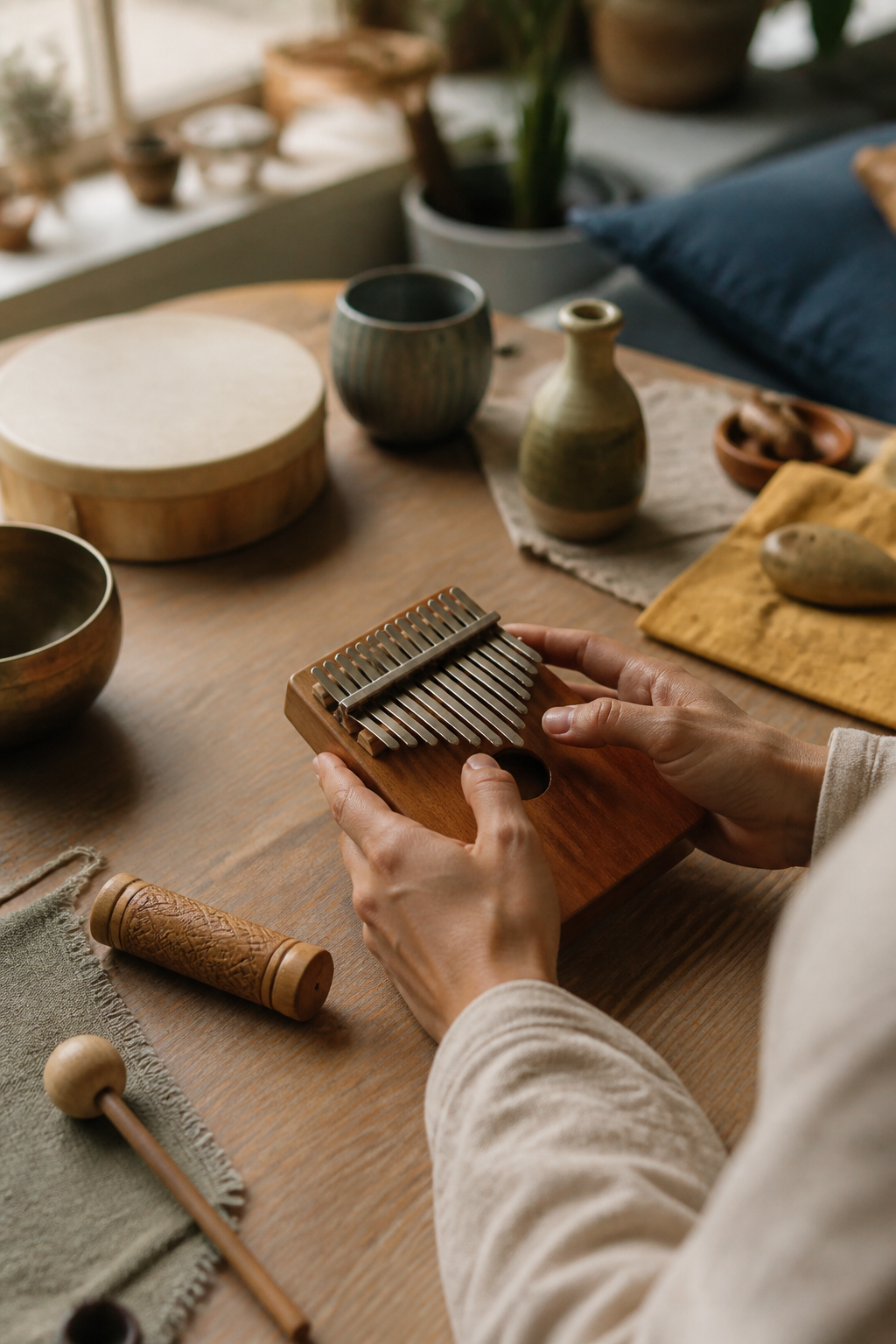
Uses live music-making, rhythm, listening and voice to work towards clinical or psychosocial goals. Musical training is not required.
Ask about suitability
03 / MOVEMENT
Movement-based Therapy
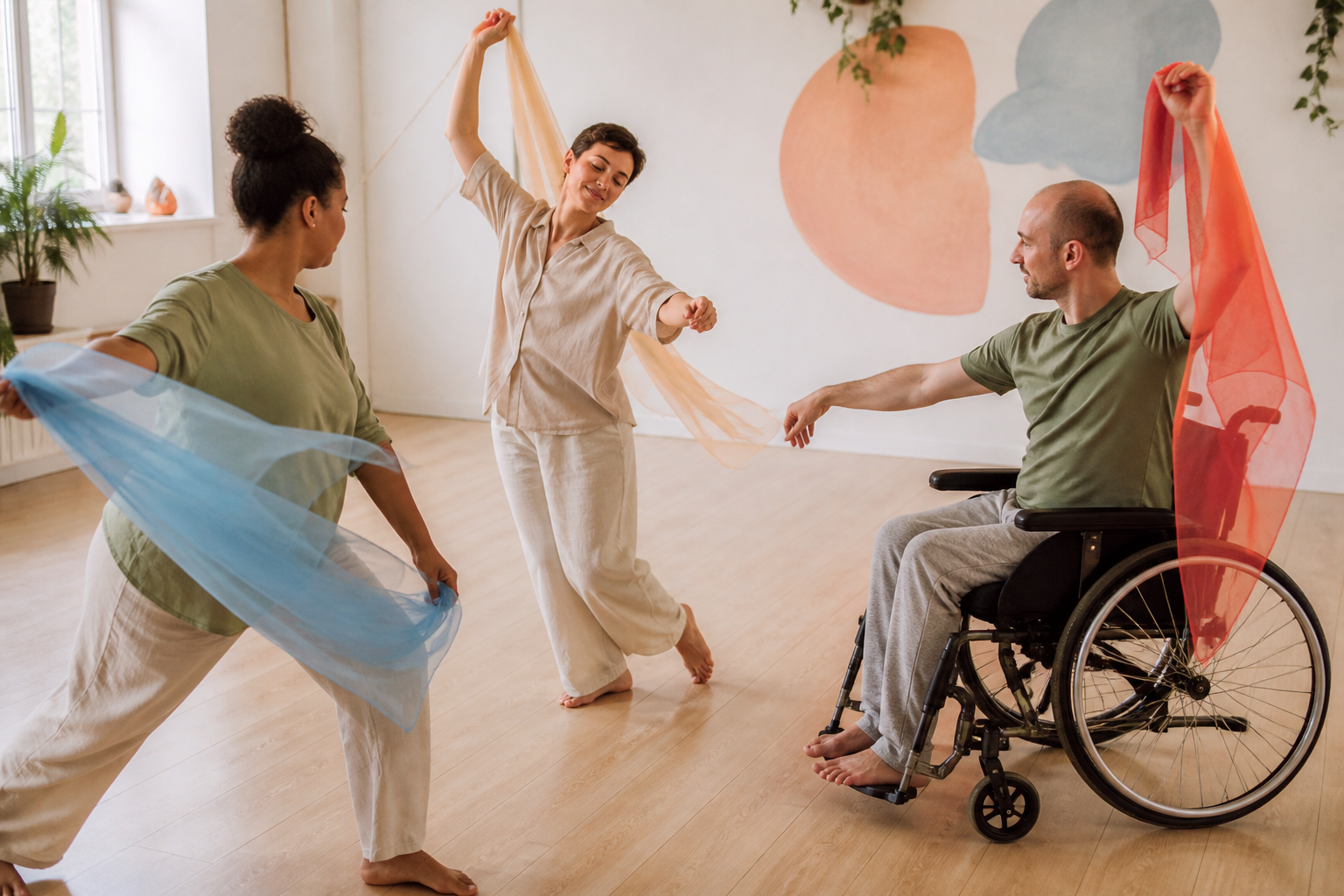
Uses safe, adapted movement and body awareness to support regulation, communication and physical-emotional awareness. Participation is adjusted to mobility and access needs.
Ask about suitability
How it works
Good therapy starts with
clarity and accountability.
Before starting, we explain the proposed service, practitioner role, confidentiality, records, cancellation arrangements and what to do if urgent help is needed.
01Assess
We review the reason for the enquiry, current support, relevant risk and accessibility needs.
02Plan
We agree goals, modality, session format and how progress will be reviewed.
03Deliver
Sessions follow consent, safeguarding, confidentiality and record-keeping procedures.
04Review
We discuss progress, adjust the therapy plan and agree when the work is complete.
This is not an emergency or crisis service. If someone is at immediate risk, call 999 or attend A&E. For urgent mental health support in England, call NHS 111 and select the mental health option.
Common questions
Practical information before you enquire.
Do I need to be good at art or music?
No. These therapies use creative activity as a clinical medium. There is no grading, performance standard or expectation that you produce a finished artwork.
Is this the same as an art class or wellbeing workshop?
No. A therapy service begins with assessment and agreed goals, is delivered within a defined therapeutic framework and includes review. A workshop may be educational or wellbeing-focused and is described separately.
What happens during the initial enquiry?
We ask what support is being sought, whether the enquiry is for an individual or organisation, relevant accessibility needs and whether there are current risks or other services involved. We then explain the available next step.
Can creative arts therapy replace medical care?
It should not replace necessary medical assessment, prescribed treatment or emergency care. With consent, it may sit alongside other services where this is clinically appropriate.
Are sessions confidential?
We explain confidentiality and its limits before therapy starts. Information may need to be shared where there is a safeguarding concern, serious risk or legal requirement.